
How to Organize Game Room: Simple Tips for a Clean and Functional Setup is all about creating a space where games are easy to find, surfaces stay clutter-free, and everything has a “home” so you can switch from one activity to the next without hassle. How to Organize Game Room: Simple Tips for a Clean and Functional Setup works best when you think in categories—storage, play zones, lighting, and daily reset—then match those categories to the types of games you actually use.
Start With a Quick Layout Plan
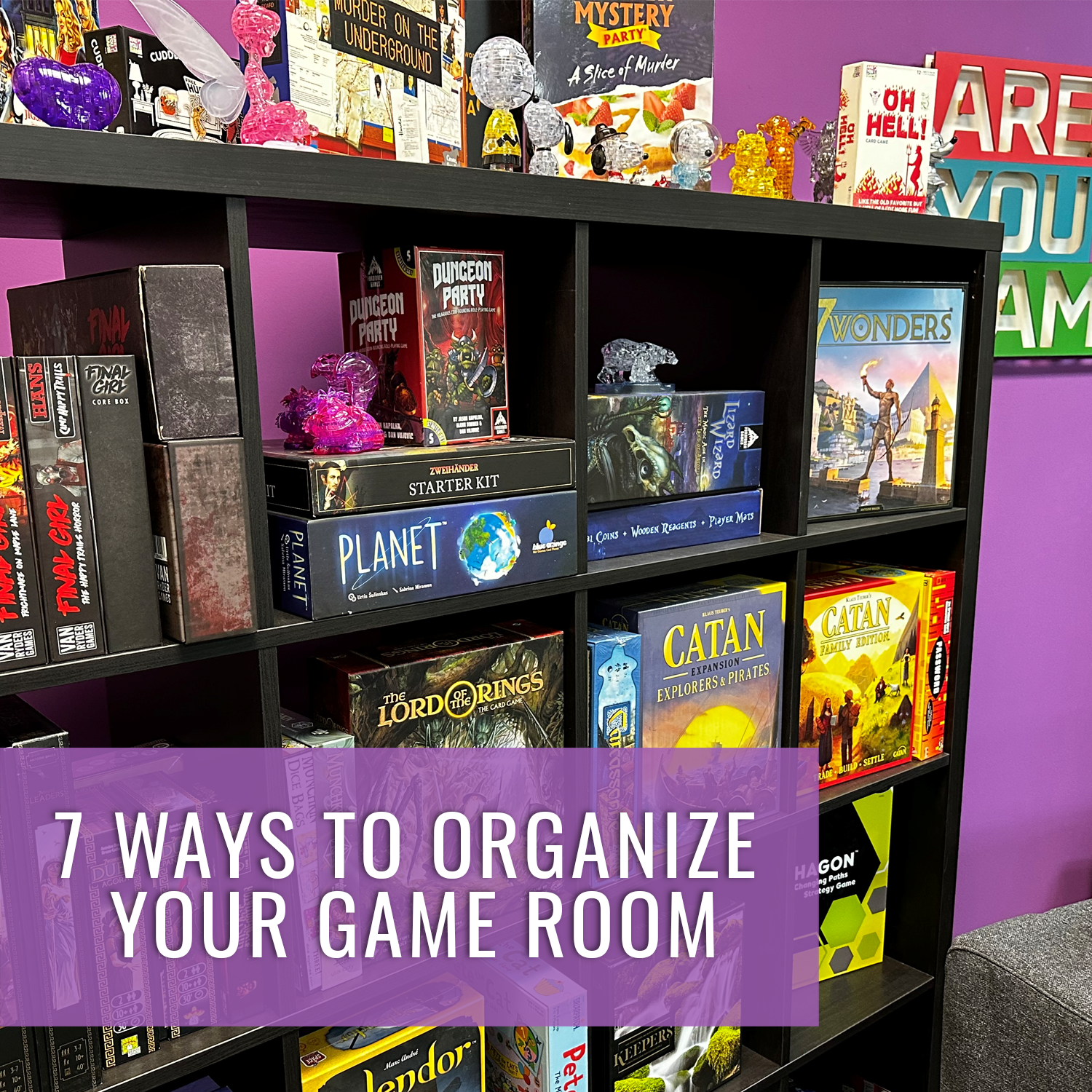
Before buying bins or reorganizing anything, take a few minutes to map your game room’s “workflow.” Ask yourself where you enter the room, where you sit, and where players naturally place controllers, snacks, or game boxes. A simple layout plan helps prevent the common mistake of storing items in places that don’t match how you play, which leads to clutter building up again within days.
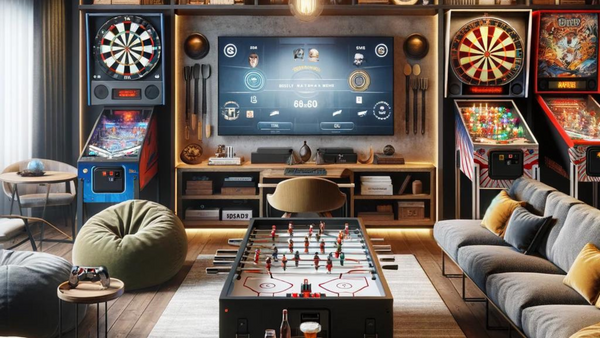
A good way to begin is to define zones: a tabletop zone for board games and card games, a console/TV zone for video games, and a movement zone where people can comfortably walk without stepping over cables or squeezing between furniture. Even if your room is small, zoning makes the space feel organized because each area supports one purpose. Then, you can choose storage that complements that purpose—like drawers near the tabletop and hooks near the entry point.
Group Items by Game Type, Not by Brand
The easiest organization wins come from grouping by function. Instead of sorting by manufacturer or alphabet, sort by what the items do: board games together, card games together, video game controllers together, and party or outdoor games together. This is especially helpful when multiple family members or guests use the room, because anyone can understand where something belongs once you label the categories.
This approach also reduces the time you spend hunting for the right deck or expansion pack. When the category matches the activity, you’ll return items to the correct spot quickly, and the room will look tidy even when you’re in the middle of a game night. Highlighting the core idea—how to organize game room with simple, functional rules—means your system should be intuitive enough that you don’t need to “remember” it every time.
Choose Storage That Matches How You Use Games

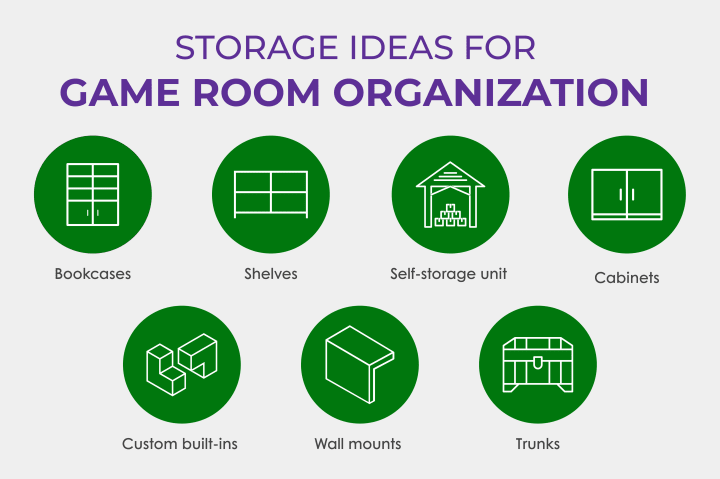
Storage works best when it fits the shape of the things you own. Game rooms often accumulate mixed items—boxes, board tiles, miniatures, controllers, headsets, and spare parts—so a single storage method rarely covers everything. Instead of one big solution, use a few targeted options: shelves for boxed games, bins for loose components, and closed storage for smaller items.
When you pick storage, prioritize accessibility and visibility. Open shelving makes it easy to browse, but it can also expose dust and create visual clutter. Closed bins hide mess, which is great for “small chaos” items like rules inserts, batteries, and extra sleeves. A balanced approach keeps the room looking clean while still making it convenient to find what you need.
Use Clear Labeling for Fast Cleanup
Clear labels turn your game room from “organized when you feel like it” into “organized by default.” Place labels on bins, drawers, and shelf sections using simple wording like “Dice,” “Card Decks,” “Board Game Expansions,” “Controllers,” or “Painting Supplies.” If you share the space with others, consistent labels reduce confusion and prevent items from being tossed in random spots.
If you don’t want to label everything, start with the most commonly misplaced items. For example, controllers and accessories often end up in different drawers after every session. By labeling the storage locations for those items first, you’ll notice less clutter accumulating. The goal is to make cleanup faster than scrambling to “figure out where it goes.”
Set Up Dedicated Game Zones for Better Flow

A functional game room keeps people moving smoothly. That means giving each activity enough surface area and preventing storage from blocking play space. For board games, consider a table or a dedicated cart with a top surface for sorting and setup. For video games, keep controllers, headsets, and charging cables near the entertainment area so players don’t walk around carrying gear.
Zones also help you manage different group sizes. If you regularly play solo, with friends, or with family, you can set up storage and seating that supports each scenario. For instance, store solo games and small card decks in a lower bin or drawer near seating, while store larger board game boxes on shelves at eye level.
Keep Controllers and Cables in a “Landing” Spot
Electronics clutter is one of the biggest threats to a clean game room. Controllers that get placed on couches or on the floor quickly create a messy look, and tangled cables are difficult to hide. Create a landing spot—like a small tray, hook bar, or charging station area—so controllers always go to the same place after use.
To make this work, include a simple rule: “Charge here, store here.” If your setup includes multiple devices, label charging areas by device type. This reduces the chance that someone grabs the wrong cable or leaves equipment outside the charging spot. Over time, this small habit keeps How to Organize Game Room: Simple Tips for a Clean and Functional Setup practical, not just pretty.
Organize Board Games for Easy Setup
Board games feel organized when the parts are ready to go. Instead of relying on the original box alone, many people benefit from component sorting. For instance, store dice, tokens, and small parts in labeled bags or organizer containers that fit inside the box. That way, when you pull out a game, you don’t need to dig through loose items first.
Also consider vertical storage for box-heavy collections. Stacking boxes can damage corners and makes browsing annoying. Shelving that holds boxes upright gives you a clearer view and makes it easier to pull a game and return it without rearranging the whole shelf.
Create an “In-Use” Bin for Current Games
A common clutter cause is leaving game pieces out while you switch between titles or pause mid-session. To manage this, set up an “in-use” bin or drawer where game components can temporarily live when you’re not actively playing. This prevents pieces from spreading across the table, slipping into other drawers, or disappearing.
When game night ends, move everything into the in-use bin quickly and store the box back on the shelf later. This keeps your playing surface clean so the room can return to “ready mode” even if you don’t want to fully sort components right away. The idea supports the keyword theme: clean and functional organization.
Protect the Space With Simple Maintenance Habits
A tidy game room isn’t only about storage—it’s also about routine. Think of the room as something you reset quickly after each session. A short, consistent routine keeps clutter from building up and reduces the effort required to reorganize later.
Maintenance can be minimal and still effective. For example, return controllers and charging accessories to the landing spot, toss trash immediately, and wipe down sticky surfaces once snacks are done. Over time, small actions create big differences in how “clean” the room feels.
Troubleshoot When Clutter Keeps Returning
If clutter keeps coming back, your system likely has one of three issues: items lack a true home, the storage is hard to access, or the storage doesn’t match item size. First, watch what people do during game night. You’ll usually see where items land when no one is actively “organizing.” That landing spot becomes your new designated storage location.
Second, simplify. If you have too many bins with overlapping categories, items get tossed into whatever is closest. Merge categories so each bin has a clear purpose. Third, adjust height and accessibility. If shelves are too high or drawers too deep, people will avoid them. When storage is easy to reach, it’s more likely to be used consistently.
Smart Furniture and Setup Choices That Make Organization Easier
Your furniture can either support organization or fight it. Choose pieces with built-in storage when possible—like benches with compartments, coffee tables with drawers, or media units with shelves and closed cabinets. These options reduce the number of loose items that end up visible on surfaces.
If you can’t change furniture, add storage that sits beneath or beside existing pieces. A rolling cart can store rules, snacks, and game organizers. A vertical shelf can hold boxed games while keeping them visible but not scattered. The key is to keep play surfaces clear while storing frequently used items within arm’s reach.
Use Lighting and Surfaces to Reduce Visual Clutter
Even when storage is good, poor lighting can make a room feel messy. Bright, even lighting helps you see where things are and reduces shadows that make surfaces look crowded. If you play tabletop games, consider a lamp or directed lighting that illuminates the tabletop without glare.
Surfaces also matter. A clear, easy-to-wipe tabletop helps prevent “temporary piles” from becoming permanent ones. When possible, keep a tray or small organizer near the seating area for items that you need while playing—like score sheets, dice cups, or a notepad—so those items don’t spread across the table.
Best Storage Options for a Game Room (Five Practical Choices)
If you’re choosing tools to implement How to Organize Game Room: Simple Tips for a Clean and Functional Setup, these five options cover most needs. They vary in price and features, but each can help you create clear zones, better access, and faster cleanup.
Storage Bins With Lids
Lidded bins are great for hiding smaller pieces and keeping dust off loose components. They work well for card sleeves, dice bags, miniatures parts, and replacement tokens. Look for sturdy construction and consistent sizing so you can stack them neatly.
Clear Stackable Drawers
Clear drawers make it easy to locate items without opening multiple containers. They’re especially helpful for accessories like card decks, dice sets, and small electronics chargers. Users typically like them because everything is visible while still being contained.
Modular Shelving Units
Modular shelving supports upright storage for boxed games and organizes collections by category. They can be configured to fit narrow spaces, and many people find them convenient for expanding storage later. Choose shelves with adjustable spacing so different box sizes fit comfortably.
Rolling Game Carts
Rolling carts add a flexible storage option that moves where the activity is. They’re useful for tabletop games that need supplies on demand. With compartments or shelves, they help you keep frequently used items together near the table.
Dedicated Controller Charging + Storage Trays
A charging tray or dedicated controller station keeps electronics from spreading out. Many setups include slots for controllers, headset storage, and cable management. Reviews often highlight how much faster cleanup is when controllers always have a clear “home” after use.
Conclusion
Organizing a game room is easiest when you match storage to how you actually play: create clear zones, group items by function, use labeled containers, and keep controllers and cables in a consistent landing spot. Add an in-use bin to stop mid-session clutter from spreading, choose furniture or storage that supports easy access, and use small maintenance habits so the room stays clean without heavy work. With these simple steps, How to Organize Game Room: Simple Tips for a Clean and Functional Setup becomes a system that stays organized through every game night.

Gia Thịnh là biên tập viên nội dung tại handleheldgame.vn, được cộng đồng biết đến với phong cách “wibu” đặc trưng và niềm đam mê sâu sắc với thế giới game cầm tay, movie và văn hóa anime. Với khả năng tổng hợp thông tin nhanh, chọn lọc nội dung sát nhu cầu người đọc, Gia Thịnh đóng vai trò quan trọng trong việc xây dựng hệ thống bài viết chất lượng, dễ hiểu và đúng insight người dùng. Sự am hiểu về game, thiết bị handheld cùng gu nội dung gần gũi giúp các bài viết của anh luôn thu hút và giữ chân độc giả.